The Complete Guide to AI Social Media Automation in 2026
How brands and agencies are using AI to generate, schedule, and publish social content — without losing their voice.

Social media automation has come a long way from basic post schedulers. In 2026, AI doesn't just schedule content — it generates captions, selects hashtags, adapts tone per platform, and publishes on your behalf. For agencies managing multiple client brands, this shift means going from 10+ hours per week per client to under 30 minutes.
What AI automation actually looks like
Forget the robotic, obvious-AI posts of a few years ago. Modern AI content generation starts with your brand profile: your niche, tone of voice, topics you care about, and examples of content that represents your brand. The AI uses this context to generate captions that sound like you wrote them — not like a chatbot did.
The workflow is straightforward. You set up your brand profile once (5 minutes). Every week, AI generates a batch of posts — captions, hashtags, platform-specific variations. You review them on Monday morning, approve or tweak, and they publish automatically throughout the week.
The brand voice problem (and how to solve it)
The biggest concern agencies have is voice consistency. Every client sounds different, and a generic AI caption stands out immediately. The solution is structured brand context: instead of asking AI to "write something fun," you give it specific tone descriptors (e.g., "witty but professional, never uses slang, always ends with a question"), topic boundaries, and real caption examples.
This structured approach produces captions that clients approve on the first pass over 80% of the time. The remaining 20% usually need minor tweaks — swapping a word, adjusting a CTA — not full rewrites.
Platform-specific adaptation
One post does not fit all platforms. Instagram favors longer, story-driven captions with strategic hashtags. LinkedIn rewards thought leadership and professional insights. Facebook performs best with conversational, engagement-driving questions. X demands brevity and punch.
AI automation handles this by generating platform-specific caption variants from a single content idea. The core message stays the same, but the format, length, hashtag strategy, and CTA adapt to each platform's algorithm and audience expectations.
What to look for in an AI social tool
Not all automation tools are equal. The ones worth paying for offer: brand profile customization, multi-platform caption variants, approval workflows (so clients or team leads can review before publishing), media library support, and scheduling flexibility. If a tool can't adapt to your voice or requires you to manually post on each platform, it's not saving you real time.
The bottom line
AI social media automation in 2026 is not about replacing social media managers — it's about eliminating the repetitive parts of the job so you can focus on strategy, client relationships, and creative direction. The agencies adopting these tools now are the ones scaling to 20, 30, or 50 clients without proportionally scaling their team.
More from the blog
Instagram Algorithm 2026: What Actually Drives Reach Now
We analyzed 50,000+ posts published through Social Agent. Here's what the data says about reach, engagement, and timing.

The Monday Morning Workflow: How Top Agencies Review a Week of Content in 15 Minutes
A step-by-step walkthrough of the approval workflow that saves agencies 10+ hours per week.
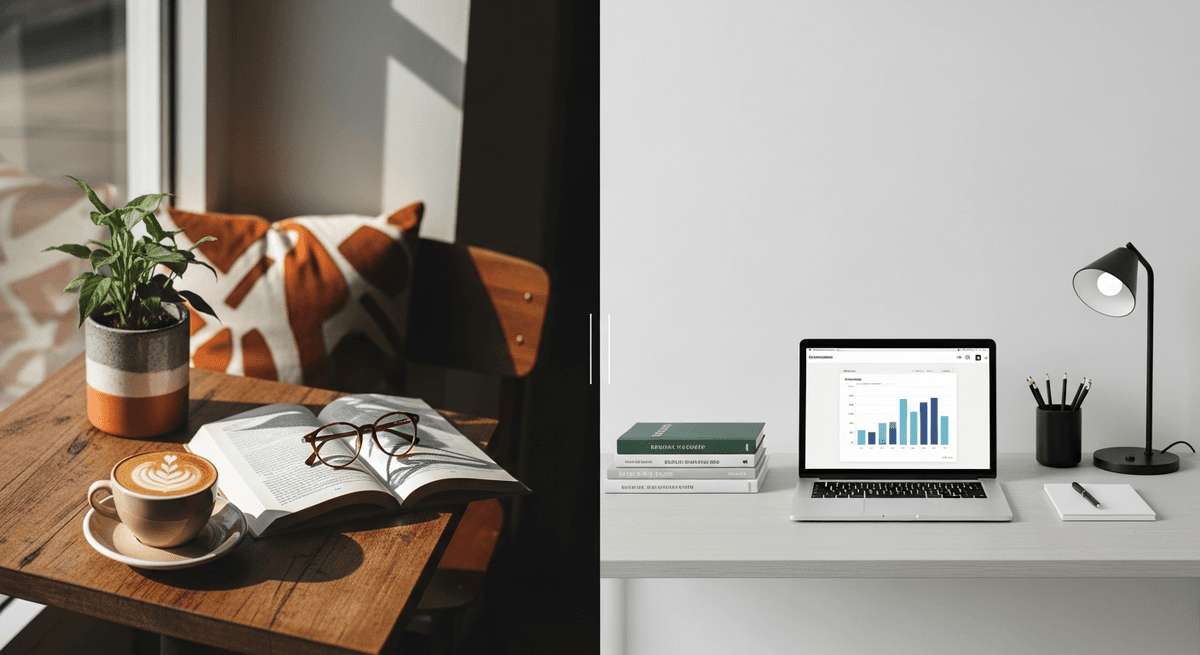
Facebook vs Instagram: Why You Need Different Strategies (and How AI Handles Both)
Platform-specific caption styles, hashtag rules, and timing — and how to automate the differences.